Why atheism falls short
Atheists often claim there’s “no conclusive evidence” for God. This claim ignores the overwhelming evidence already present in the universe and in human experience:
- Design and Fine-Tuning: The universe is too ordered to be accidental
- Morality: Objective moral values point to a Moral Lawgiver.
- Consciousness: Human reason can’t be explained by blind processes.
- Spirituality: Science increasingly shows spirituality is wired into the human brain.
- Revelation: God reveals Himself to those willing to receive Him.
The argument for theism has been sustained by thinkers like Thomas Aquinas, Alvin Plantinga, William Craig, and now by the likes of John Lennox. In fact, the Holy Scriptures never argue for existence of God – they reveal the nature, character and attributes of God. Scripture shows that the existence of God is common knowledge.
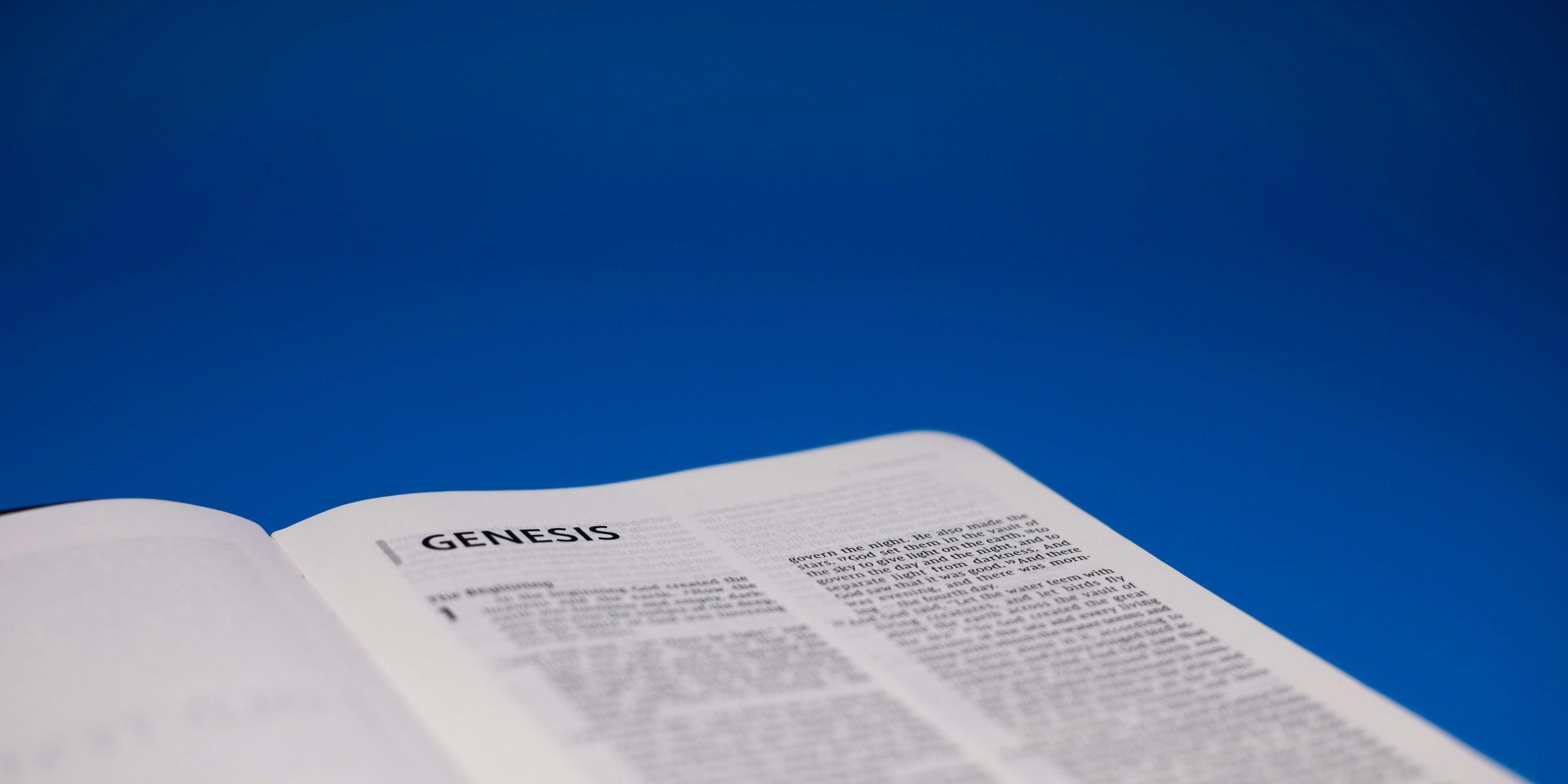
‘In the beginning, God created the heavens and the earth.’ Genesis 1:1
What people need to know is how this God wishes to relate with his human creatures.
Reality remains that belief in God is intellectually stronger than atheism. Modern atheists like Richard Dawkins have settled for referring to themselves as “cultural Christians” because they know atheism cannot explain human meaning, morality, consciousness and spirituality. The evidence of God is everywhere. It is the issue of whether one is willing to see it or not.
‘For his invisible attributes, namely, his eternal power and divine nature, have been clearly perceived, ever since the creation of the world, in the things that have been made. So they are without excuse.’ Romans 1:20
Scripture reflection
‘The fool says in his heart, “There is no God.” They are corrupt, their deeds are vile; there is no one who does good.’ Psalm 14:1 and Psalm 53:1
By JPC Ntuntu